

 Dec 18, 2025
 3 min read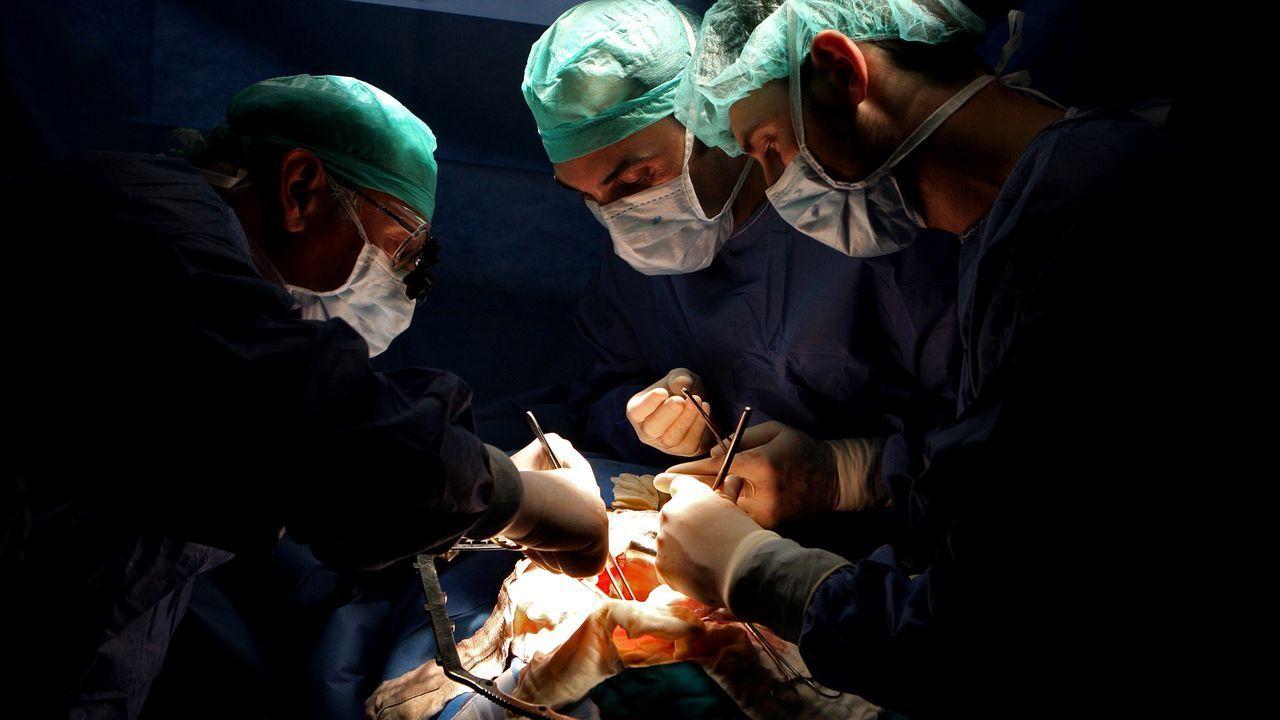
A new laboratory-tested cell therapy opens the door to controlling rejection in patients when they receive a new kidney.
Securing the future for Spain's most transplanted organ: "One in seven people you meet has kidney disease"
A new cell therapy currently being tested in the lab opens the door to controlling rejection when a patient receives a new kidney.
17 December 2025. Updated at 19:28 Chronic kidney disease progresses rapidly. The number of cases in Galicia is 1,514 per million people, significantly higher than the national average of 1,406. This number equates to 4,100 people who require renal replacement therapy to replace their kidney function. "One in seven people you meet on the street has kidney disease. It affects15% of the population and is very widespread," says Emilio Sánchez, president of the Spanish Society of Nephrology (SEN).
It is a silent pathology, the first symptoms of which are very non-specific in many cases.General disorders, fatigue or lack of appetite.When it develops and the kidneys lose their function, the symptoms become more obvious: food may taste bad or urine may appear foamy.
It is estimated that it takes an average of 20 years from the start of dialysis to the end of dialysis. It is not about today and tomorrow. This is exactly why Dr. Sanchez emphasizes the importance of stopping it.
There are three options in this situation.From best to worst: kidney transplant, peritoneal dialysis at home, and hemodialysis in the hospital.For a specialist, a new kidney is the best alternative."Both for the patient, the healthcare system and the environment. The bad news is that only 25% of those who need it get it. The reason? "Although there is no age limit, you generally need to be under 82;you must have a good heart;there is no tumor because the drug causes it;there is no active infection," emphasizes Sanchez.
With these requirements, only dialysis can be performed for 75% of patients.Again, there are two ways to take it.At home or in the hospital, which is preferred from all points of life." But the latter is most often used, "admits the nephrologist.
Now this ratio can be reduced in favor of transplantation, especially in the advancement of medicine, because the new cell therapy that is currently only being tested in open laboratories to control rejection in kidney transplants.
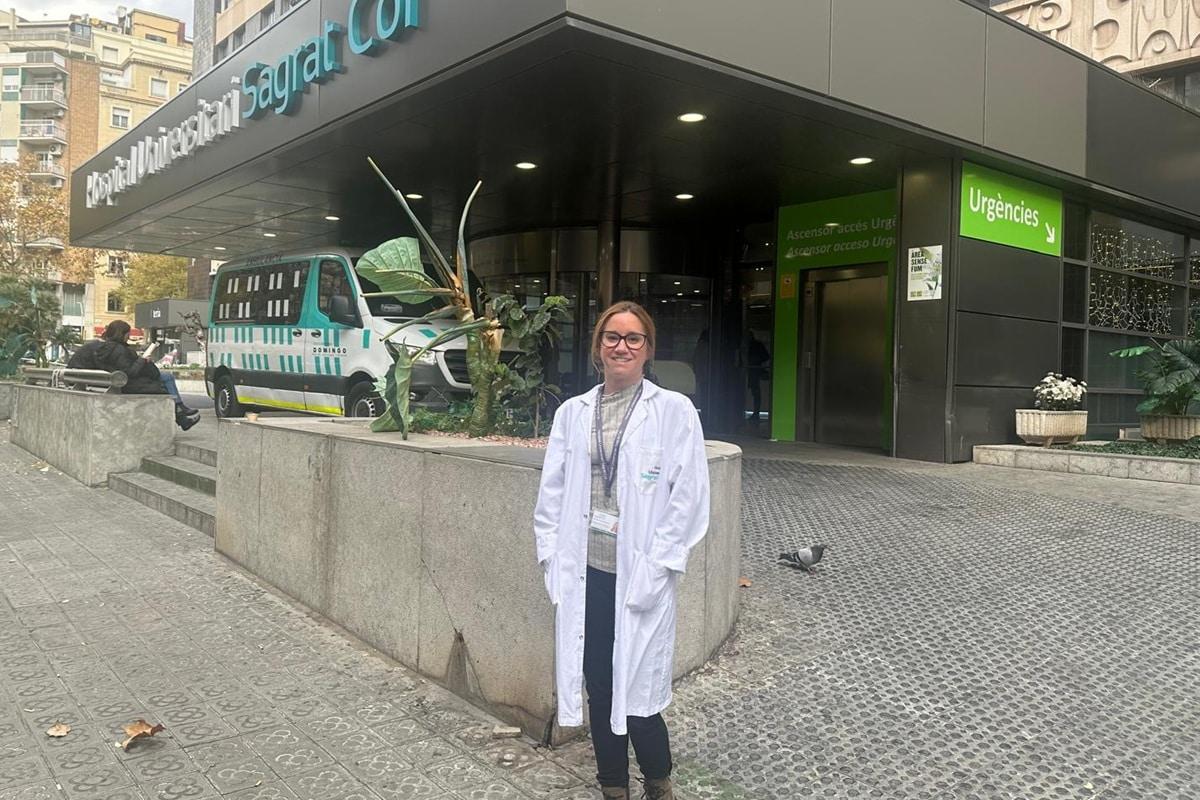
This is one of the most dangerous situations that the patient faces: "Unless we give them the kidney of the twin brother, there will always be rejection, because the immune system knows that there is something that is not theirs, like bacteria or viruses, and attacks it," said Sánchez.In particular, there are some key molecules called HLA, "these are what they call the Major Hiscompatibility Complex, which determines the connection between the donor and the recipient to a greater extent," confirms Dr. Eduard Palou, Head of the Transplant Immunology Section at the Hospital of Barcelona.
To avoid this, two steps are used.First, "find those donors who are compatible with the recipient", says Palou.And, secondly, immunosuppressive medication is prescribed, which numbs the defenses, so to speak.Now, it carries risks.If the immune system does not work, "the risk of infections or cancer increases", said the president of SEN.Finding the balance between suppressing the activity of defenses and avoiding risks is the challenge.
In this context, a study developed by three research centers in Barcelona (Hospital Clinic), Leiden and Rotterdam (Netherlands) developed an innovative and "revolutionary" cellular immunotherapy strategy that could transform the management of transplantation, including kidney transplantation.
The proposal, which is still being tested, consists of creating a la carte cells, which act only against those responsible for rejection, without harming the rest of the immune system.This is very useful because of how accurate it will be."Immunosuppressants are very effective drugs, but they eliminate all activation, both good and bad. Therefore, what we aim for with our research is to eliminate the cells that promote antibodies against the donor and leave the rest viable," says Dr. Palo, one of the project managers, in other words creating selective immunosuppression.
To do this, the group of researchers modified the lymphocytes, which are the cells of the immune system, so that they act as snipers and can recognize and thus attack harmful antibodies.In the laboratory, these cells blocked those responsible for rejection.
For now, researchers explain, the initiative has only been tested in vitro, in the laboratory.In the future, "the idea is to take the patient's cells from the blood, take them to the laboratory and modify the genes to introduce molecules that direct them, specifically, to the cells that produce rejection."In short, it is the same idea that is already being used to treat leukemia and lymphoma with CAR-T therapy.
Although still in the preclinical phase, this advance could become a therapeutic option for people on the transplant waiting list who have few alternatives due to high immune system hypersensitivity, as well as for transplant patients suffering from rejection, prolonging organ survival and improving their quality of life.
Although still an experimental work, the results open a very promising path: using cells from the immune system, modified in the laboratory, as personalized treatments for rejection. If future studies confirm these findings, the researchers emphasize that this precise cellular immunotherapy strategy could become a revolutionary tool in the field of transplantation, addressing the root cause of the problem.
Until now, researchers in the laboratory and in animal models have created specific cells and have been able to verify that they produce antibodies and yet do not harm others.Its positive results in humans are still to be proven.Until this comes, they must perform an intermediate step: «Perform a clinical trial with the same CAR technology to remove antibodies.With in this case, we will see the level of effectiveness of the treatment in a changing situation, "explains the scientist. Once this is verified, we go to the next level: special cells that kill only those that are supposed to.